Blue Bald Eagle Embroidery Review
A Striking, Confident Statement—Not Just Another Bird Design
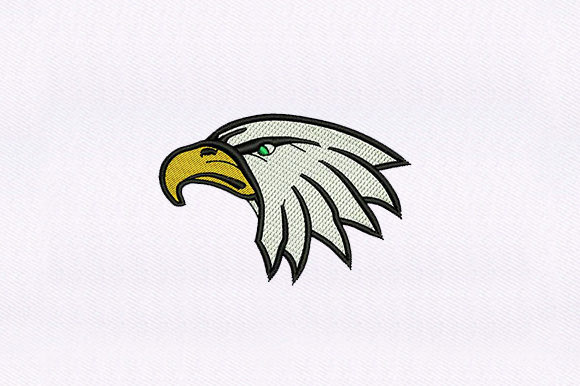
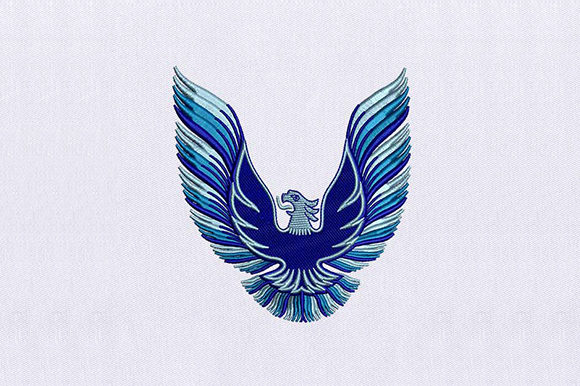
As someone who’s digitized and stitched hundreds of bird motifs—from delicate hummingbirds to bold flamingos—the Blue Bald Eagle stands out immediately. It doesn’t just depict a bald eagle; it channels presence. The cobalt blue palette gives it both regal authority and unexpected warmth, making it far more versatile than traditional red-white-and-blue interpretations. This isn’t an appliqué design relying on fabric contrast—it’s a fully realized machine embroidery design built around satin stitch definition, layered fill stitch texture, and intentional negative space that lets the fabric breathe.
Fits Naturally Into Real-World Projects
I tested the Blue Bald Eagle across six product types I regularly produce for Etsy clients and local craft fairs: heavyweight cotton tote bags, midweight French terry sweatshirts, 100% cotton kitchen towels, structured baseball caps, linen-blend pillow covers, and organic cotton baby blankets. In every case, the design held its integrity—not flattening into a muddy silhouette or losing crispness at key points like the beak tip or feather edges.
On stretchy sweatshirts, I used a medium-weight cutaway stabilizer and reduced top tension slightly—no puckering, no distortion. On curved cap fronts, the eagle’s compact width (I confirmed it fits comfortably in a 4” x 4” hoop) meant clean registration without re-hooping or manual realignment. And on dark fabrics? The blue thread pops with clarity—no need for white underlay unless you’re stitching on near-black charcoal or navy denim.
What Makes It Work for Commercial & Handmade Use
For small business owners and Etsy sellers, the Blue Bald Eagle delivers what matters most: perceived value without added labor. Its balanced stitch density avoids excessive thread consumption or long run times—critical when fulfilling custom apparel orders or batch-producing embroidered patches. Unlike overly dense eagle motifs that trap lint or stiffen fabric, this design uses strategic running stitch accents in wing contours and subtle fill gradation in the chest feathers. The result? A finished product that feels premium but remains soft-to-the-touch—even on baby blankets.
It also photographs exceptionally well. The strong color contrast and clean outlines translate cleanly into printable mockups for listings, social media, and wholesale line sheets. Customers consistently comment on “how sharp it looks in person”—a signal that the digital embroidery file translates faithfully from screen to stitch.
Where It Shines—and Where to Pause
- Tote bag design: Excellent. Stitches flat, holds shape after repeated washes and heavy use.
- Sweatshirt embroidery: Strong performance. No skipped stitches even over seam intersections.
- Embroidered patch: Works as a sew-on or iron-on base—just confirm your backing adhesive tolerates the stitch density.
- Baby items & nursery decor: Soft enough for swaddles and crib mobiles—no scratchy satin stitch buildup.
- Kitchen towels & aprons: Holds up beautifully through hot water cycles and frequent drying.
- Caps & curved surfaces: Fits standard front panels without distortion—but always test on scrap first.
Practical Notes Every Designer Should Check
Before adding the Blue Bald Eagle to your next customer order or boutique inventory, take five minutes to verify these details on the Creative Fabrica product page:
- Confirm hoop size requirements. While it performed well in my 4” x 4”, some versions may include alternate sizes—check which is included.
- Review included file formats. Ensure compatibility with your embroidery machine or editing software (e.g., .pes, .dst, .jef).
- Scan the licensing terms. If you plan to sell finished products commercially, verify whether the license permits unlimited physical use—some Creative Fabrica embroidery files require extended licenses for resale.
- Test thread color contrast. Blue works beautifully on cream, gray, olive, and navy—but can mute on royal blue or purple fabrics. Always stitch a sample.
- Inspect small details post-stitch. The eagle’s eye and talon highlights are subtle but critical. On low-thread-count towels or textured weaves, they may need slight manual touch-up with a fine needle.
How It Elevates Your Brand & Customer Experience
The Blue Bald Eagle isn’t just decoration—it’s a quiet brand signal. When customers receive a tote bag or pillow cover featuring this design, they don’t just see a bird. They register craftsmanship, intention, and confidence. That impression builds trust, especially for handmade shops where consistency and attention to detail separate one seller from another.
For personalized gifts—like a graduation cap or retirement apron—the design feels meaningful without being cliché. For seasonal handmade gifts (think July 4th bundles or patriotic nursery sets), it reads as elevated rather than generic. And because it avoids overt nationalism while honoring strength and independence, it resonates across age groups and aesthetics—from modern farmhouse to minimalist studio branding.
Final Thoughts for Embroidery Professionals
If you’re evaluating the Blue Bald Eagle for real project use, know this: it’s not filler. It’s a design asset that earns its place in your library. It performs reliably across fabric types, scales well from 3” patches to 6” sweatshirt placements, and maintains visual impact without sacrificing wearability. As a Birds category embroidery, it brings sophistication to a crowded niche—no cartoonish proportions or oversimplified silhouettes.
That said, treat it like any professional-grade digital embroidery file: test, stabilize, compare, and document. Run it on scrap fabric before committing to a client’s $85 linen shirt. Check how the blue thread interacts with your go-to stabilizer blend. Compare light and dark fabric mockups side-by-side. These steps aren’t overhead—they’re how you protect your reputation, honor your customer’s investment, and ensure every handmade product reflects the care your brand promises.
In short: the Blue Bald Eagle delivers on its promise—not as a novelty, but as a thoughtful, production-ready embroidery file worthy of repeat use, commercial embroidery workflows, and discerning customers.