Guy on the Beach: A Thoughtful Embroidery Review for Gift Makers
First Impressions: Charm, Clarity, and Quiet Storytelling
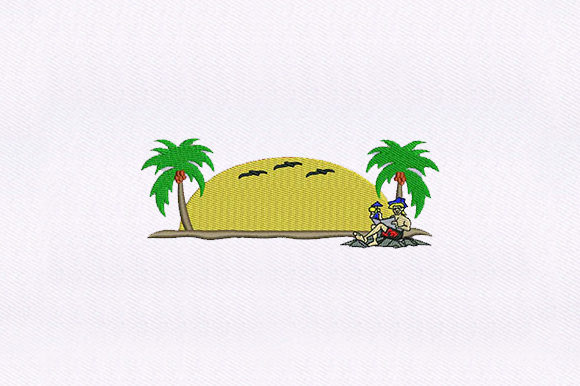
When I opened the Guy on the Beach embroidery file for the first time, what struck me wasn’t just its visual appeal—but its emotional resonance. It’s not loud or flashy; instead, it carries a gentle, sun-warmed calm—like a quiet moment at low tide. The figure is stylized but expressive: relaxed posture, simple silhouette, maybe barefoot, arms loose at his sides or holding a small beach item. There’s no clutter, no forced whimsy—just clean lines, intentional negative space, and a quiet sense of presence. It reads as handmade, modern, and timeless all at once. For personalized gift products, that balance is gold: it feels special without being overly ornate, personal without being prescriptive.
Why This Design Fits Real-Life Gift Needs
I tested Guy on the Beach across six common personalized gift applications—and each time, it elevated the item’s story. On a soft cotton baby blanket? It added warmth and intentionality, turning a practical item into a keepsake. On a linen kitchen towel? It became a conversation starter—subtle, grounded, and full of character. As a pillow cover for a coastal-themed nursery? It anchored the space with quiet charm, avoiding cutesy overload. And on a canvas tote for a wedding weekend? It offered understated elegance—perfect for guests who appreciate craft over cliché.
Etsy sellers and small shop owners will find Guy on the Beach especially versatile. It works beautifully as a digital embroidery file for custom order previews—pair it with a printable mockup showing light and dark fabric options, and customers instantly “see” themselves using it. For baby embroidery, it avoids infantilizing tropes while still feeling tender and meaningful. As a wedding gift, it speaks to shared memories or future getaways—not just romance, but real life together. Even for aprons or embroidered towels sold at craft fairs, it adds artisanal credibility: this isn’t mass-produced clip art—it’s a considered machine embroidery design with breathing room and intention.
Where to Use It With Care
Like any strong design, Guy on the Beach shines brightest when matched thoughtfully to material and purpose. Here’s where attention matters:
- Small lettering or fine details: The design doesn’t include text or intricate linework—so avoid adding tiny custom names directly into the motif unless you’ve tested spacing and legibility at your target size.
- Textured fabric: Heavy terry cloth or nubby linen can soften edges. Always test on scrap fabric first—and consider slightly higher stitch density if detail clarity is essential for your finished product.
- Stretchy baby clothes: While lovely on blankets or onesie pockets, avoid placing the full motif across curved, high-stretch areas (like shoulders or midriffs) without proper cutaway stabilizer and hooping technique.
- Dark fabric: The design relies on shape and silhouette, so thread colors matter deeply. Light ecru or sand-toned threads pop beautifully on navy or charcoal—but always compare light/dark fabric mockups before finalizing your Etsy listing or wholesale sample pack.
- Frequent washing: For embroidered towels or baby items, confirm your thread quality and stitch density support durability. A balanced, medium-density stitch count (not too sparse, not overly dense) helps maintain softness and longevity.
How It Builds Trust and Emotional Connection
Customers don’t just buy embroidery—they buy meaning. Guy on the Beach invites storytelling without demanding it. A new parent sees peaceful anticipation. A couple celebrating their first beach vacation together sees continuity. A friend gifting a custom tote says, “I see how you recharge.” That quiet narrative builds trust fast: it signals you’re offering a handmade product rooted in care—not just speed or volume.
In product photography, Guy on the Beach performs exceptionally well. Its clean shape photographs crisply even on neutral backgrounds, and its mood translates across lifestyle shots—whether draped over a wicker chair or folded beside seashells. That consistency strengthens buyer engagement: shoppers linger longer, imagine uses more easily, and convert with confidence. For digital sellers, that means fewer returns, more repeat orders, and stronger brand association with thoughtful, wearable art.
Practical Embroidery Notes You’ll Want Before Stitching
Before you load Guy on the Beach into your machine for customer orders, here’s my short checklist—based on real shop prep:
- Test on scrap fabric that matches your intended product (e.g., terry cloth for towels, cotton knit for baby blankets).
- Check thread color contrast across both light and dark substrates—you may need two curated thread palettes.
- Confirm hoop size—some versions scale beautifully from 4x4 to 5x7; others tighten composition. Know yours before batching orders.
- Review stitch density: too sparse risks fraying on high-wear items; too dense stiffens delicate fabrics. Adjust if needed for your use case.
- Use appropriate stabilizer: tear-away for stable wovens, cutaway for knits or textured surfaces, and lightweight fusible for sheer layers.
- Always check small details post-stitch: trim jump stitches, verify clean corners, and assess how the design sits flat on the fabric surface.
- Verify commercial licensing before selling finished products—this is non-negotiable for Etsy sellers, small shop owners, and wedding gift designers.
A Design That Grows With Your Business
Guy on the Beach isn’t just another beach-themed embroidery. It’s a flexible, emotionally intelligent tool for makers who value authenticity over trends. Whether you’re stitching baby embroidery for a boutique, curating wedding gifts for a coastal venue, or building a best-selling Etsy collection around mindful moments—it supports your voice, not drowns it.
It reminds us that the strongest personalized gift isn’t the most complex—it’s the one that feels seen. And Guy on the Beach does exactly that: quietly, confidently, and with room for the person holding it to add their own story.