My Kitchen, My Rules
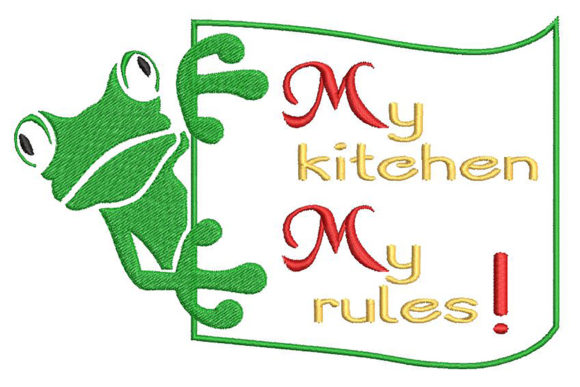
As an embroidery designer with years of experience in crafting unique and sellable designs for craft fairs and handmade markets, I’ve come across countless machine embroidery designs. One that stands out is My Kitchen, My Rules, a simple yet powerful quote that has the potential to become a staple in any kitchen-themed collection.
First Impression: Bold and Functional
My Kitchen, My Rules exudes a confident, slightly humorous tone that feels both modern and approachable. The phrase is straightforward but carries a sense of personality, making it ideal for products that reflect individuality. It doesn’t scream “farmhouse” or “rustic,” but it fits well in a variety of kitchen styles, from minimalist to cozy. This design feels like it was made to be seen up close—on a tote bag, apron, or tea towel—where its message can make an immediate impact.
Where It Shines: Craft Fair Products
At a craft fair booth, My Kitchen, My Rules would stand out as a versatile and recognizable design. Whether it’s embroidered on a tote bag, apron, or tea towel, it offers a clear visual statement that customers can easily connect with. The simplicity of the design makes it easy to spot from a distance, which is crucial when trying to draw attention at a busy table display.
- Tote bag design: A large, bold version of the design on a canvas tote would make a strong statement and could double as a practical item for grocery shopping or carrying essentials.
- Apron embroidery: On an apron, the design works as a focal point, especially if the background is plain or neutral. It adds character without overwhelming the overall look.
- Tea towel embroidery: Smaller versions of the design fit well on tea towels, where they can be appreciated for their detail and message.
- Embroidered patch: As a patch, the design becomes a subtle but meaningful addition to jackets, backpacks, or bags, offering a personal touch.
Practical Selling and Production Points
The machine embroidery design is easy to understand at a glance, which is essential for a craft fair product. Its clean lines and lack of intricate details make it suitable for both small accents and larger focal points. This versatility allows it to be used across multiple product types, increasing its value for a small shop product.
When it comes to photographing for online listings, the design holds up well. The contrast between text and background is key, so choosing the right thread colors is important. For dark fabrics, a light-colored thread will ensure visibility, while lighter fabrics may require a darker thread for clarity.
For batch production, stitch density should be considered. If the design is too dense, it may cause issues on thick or textured fabrics. Testing on scrap fabric before mass production is always a good idea. Also, ensuring the correct hoop size will help maintain accuracy and prevent shifting during stitching.
Careful-Use Notes
While My Kitchen, My Rules is generally straightforward, there are a few things to keep in mind:
- Dense stitch areas may not work well on very thin or delicate fabrics.
- Tiny details or small lettering could get lost if the design is scaled down too much.
- Curved surfaces, like caps or pillow covers, may require slight adjustments to maintain the design’s integrity.
- Dark fabrics need careful consideration of thread contrast to ensure the design remains visible.
Visual Appeal and Customer Engagement
This design has a strong visual appeal that can elevate the value of any handmade product. Its message is relatable, which helps in creating a connection with customers. At a craft fair, it can serve as a conversation starter, encouraging buyers to engage with your booth and learn more about your offerings.
For Etsy sellers or digital embroidery file providers, My Kitchen, My Rules offers a solid foundation for printable mockups and design assets. It’s also a great option for commercial embroidery projects, provided the licensing terms are confirmed before selling finished products.
Embroidery Designer Notes
As someone who has tested countless designs, I recommend the following steps before finalizing production:
- Test the embroidery file on different fabric textures to see how it performs.
- Check stabilizer use, especially on thicker or stretchy materials.
- Review spacing to ensure the design looks balanced and professional.
- Create at least one real mockup to visualize how the design will appear on actual products.
- Compare fabric colors to ensure the thread colors complement the background.
Finally, confirm the commercial licensing for the design, especially if you plan to sell finished products in bulk or through online marketplaces.
Conclusion: A Reliable Design for Every Kitchen Lover
My Kitchen, My Rules is a thoughtful, practical, and visually appealing design that has the potential to resonate with a wide range of customers. Whether you’re setting up a booth at a craft fair or building an online store, this design offers flexibility, ease of production, and strong visual appeal. With proper testing and attention to detail, it can become a standout piece in your collection of handmade products and embroidery designs.