Orange Sketch: A Friendly, Versatile Embroidery Design for Small Business Branding
First Impression: Warm, Approachable, and Professionally Handmade
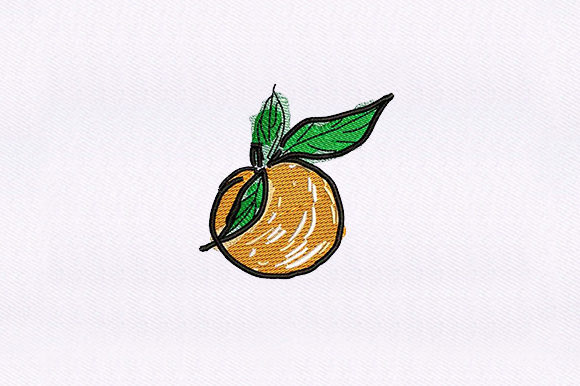
As an embroidery designer who’s developed over 300 commercial designs for cafés, bakeries, florists, pet brands, and creative studios, my first read on Orange Sketch is immediate and intuitive: it feels warm, friendly, and intentionally handmade—not overly polished, but confidently crafted. The name itself suggests spontaneity and authenticity, which aligns perfectly with small business merch that values personality over perfection. In the Food category, that’s gold: think bakery aprons with flour-dusted charm, café tote bags that invite conversation, or branded patches for a local juice bar’s staff caps. It doesn’t scream “corporate”—it whispers “we made this for you.” That tone builds instant rapport with customers who support independent makers.
Real-World Performance Across Merchandise Types
Orange Sketch shines where many machine embroidery designs falter: versatility without compromise. As a embroidered patch, it holds clean lines even at 2.5”–3” width—ideal for sew-on branding on denim jackets, canvas totes, or boutique gift packaging. On staff apron embroidery, its balanced proportions prevent visual heaviness around pockets or waistbands. For cap embroidery, I recommend placing it centered on the front panel—not too high, not too low—where its organic shape reads clearly against curved crowns. On cotton twill work shirts or linen-blend uniforms, Orange Sketch adds just enough distinction to signal cohesion without sacrificing comfort or breathability.
For tote bag design, it scales beautifully from 4” to 6” wide—large enough to anchor the side panel but compact enough to leave room for hand-stamped tags or woven labels. And because it’s built as a machine embroidery design, it translates smoothly into printable mockups for client presentations, Etsy listings, or wholesale catalogs. Whether used on product packaging accents (think embroidered twine tags or fabric seals) or as a subtle sleeve detail on artisanal tea towels, Orange Sketch reinforces brand identity through consistent, tactile recognition—not just visual repetition.
Where to Use Orange Sketch Thoughtfully
Like any strong digital embroidery file, Orange Sketch demands thoughtful placement—not limitation. Avoid pushing it below 1.75” unless you’ve tested stitch density and outline clarity on your target fabric. Tiny lettering or fine interior details may blur on dense weaves or textured linens, especially when paired with low-contrast thread colors. On dark uniforms (navy, charcoal, deep olive), verify that the default orange thread pops—consider testing in mustard, burnt sienna, or coral for richer tonal harmony. Curved surfaces like cap fronts or rounded tote handles require precise digitizing tension; if your version lacks underlay adjustments, add light tear-away stabilizer beneath the hoop to prevent puckering.
Also note: frequent washing affects longevity. If your small business merch includes items meant for daily use—like café aprons or reusable produce bags—confirm whether Orange Sketch uses satin-stitch fills or layered fill patterns. Dense satin can stiffen after multiple cycles; lighter fill options breathe better and drape more naturally over time.
How Orange Sketch Strengthens Brand Identity & Customer Trust
In a crowded marketplace, consistency + character = credibility. Orange Sketch delivers both. Its warmth signals approachability—a critical factor for food-based or service-oriented businesses where trust is earned through tone as much as quality. When stitched across multiple touchpoints—caps, totes, aprons, and even embroidered product labels—it creates subconscious familiarity. Customers begin to associate that sketch-like energy with your brand’s ethos: human-scaled, intentional, grounded in craft.
That perception lifts perceived value. A $28 tote bag with Orange Sketch feels more considered—and therefore more worth the price—than one with generic clip art. For Etsy sellers and handmade brands, it supports the “real person behind the shop” narrative without requiring custom illustration. And because it reads well in both color and grayscale mockups, it integrates cleanly into broader design assets: social media banners, email headers, or printed hang tags.
Practical Designer Notes Before You Stitch
- Always test in black and white first—this reveals spacing issues, overlapping elements, and legibility flaws invisible in color previews.
- Check minimum viable size by stitching a 2” version on your most common fabric (e.g., midweight cotton twill) before approving full production.
- Review thread color contrast against your base fabric swatches—not just on screen. Orange on black looks bold; orange on rust may disappear.
- Inspect spacing between elements—especially if pairing Orange Sketch with text (e.g., “Est. 2022” or shop name). Crowded layouts weaken impact.
- Confirm hoop size compatibility with your embroidery machine and intended application—some versions may require larger hoops for optimal stability.
- Test on real fabric, not just stabilizer sheets. Fabric texture changes how stitches lay—linen slubs, terry loops, and canvas ridges all affect final appearance.
- Use proper stabilizer: cutaway for knits, tear-away for stable wovens, and fusible + tear-away combo for lightweight silks or rayons.
- Create a physical mockup before client approval—digital renders lie. Hold it up on the actual garment or tote.
- Compare beside existing design assets—does Orange Sketch harmonize with your logo, typography, and packaging palette?
- Verify commercial licensing before using Orange Sketch in client projects, wholesale orders, or resell-ready merchandise. Not all embroidery files include blanket commercial rights.
Ultimately, Orange Sketch isn’t just another embroidery download—it’s a strategic asset for small business owners building authentic, memorable brands. When applied with intention, it transforms everyday items into quiet ambassadors of craftsmanship, care, and community. For cafés serving slow-brewed coffee, florists wrapping seasonal bouquets, or pet brands stitching collars with kindness—it doesn’t just decorate. It connects.