Happy Honey Bee Embroidery Review
The Happy Honey Bee design is a charming addition to any craft fair product lineup. As an experienced embroidery designer, I’ve evaluated this machine embroidery design for its visual appeal, practicality, and potential to sell in handmade markets.
First Impressions of Happy Honey Bee
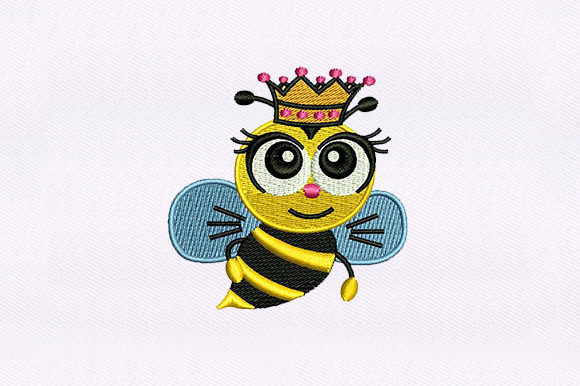
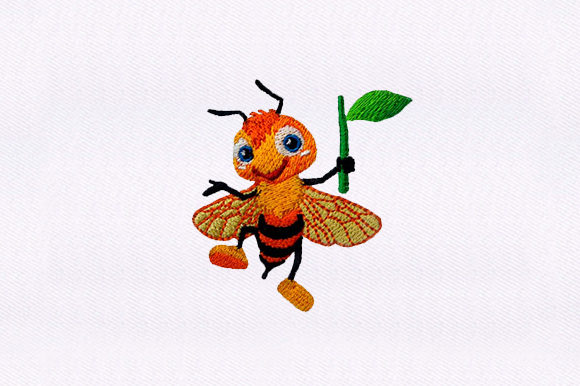
From the first glance, Happy Honey Bee feels cute and playful, with a soft, friendly aesthetic that appeals to a wide audience. The design exudes a farmhouse charm, making it ideal for rustic or cozy-themed products. It’s not overly complex, which makes it easy to recognize at a glance—perfect for a busy craft fair booth where customers need to spot something quick.
Where Happy Honey Bee Shines
This embroidery design works well on a variety of craft fair products. On tote bags, it adds a fun and eye-catching detail that draws attention. As an apron embroidery, it brings a whimsical touch to kitchen wear. For tea towel embroidery, it adds a decorative element that feels both useful and stylish.
On caps and fabric pouches, Happy Honey Bee stands out as a small but memorable accent. As an embroidered patch, it can be sewn onto jackets, backpacks, or even pet accessories, expanding its versatility. Pillow covers featuring this design offer a cozy, handmade feel that customers love to take home.
Practical Selling and Production Points
Happy Honey Bee is a great example of a design that balances simplicity with charm. It’s easy to understand at a glance, making it ideal for fast decision-making at a craft fair. Whether used as a small accent or a larger focal point, it adapts well to different sizes and placements.
For online listings, this design photographs well, especially when paired with neutral or pastel-colored fabrics. Its clean lines and limited color palette make it easy to showcase in printable mockups. As a commercial embroidery file, it should be repeatable for batch production, provided the stitch density is manageable.
Careful-Use Notes
When using Happy Honey Bee on thick fabric or textured towels, ensure the stabilizer is sufficient to prevent puckering. Tiny details may require careful stitching, and small lettering could be lost if the design is scaled too small. On curved cap surfaces, the design might stretch slightly, so testing on scrap fabric is recommended.
For dark fabric, consider using contrasting thread colors to ensure visibility. If the design is too dense in certain areas, it may cause stiffness or wear over time. Always test the embroidery file on different materials before mass production.
Impact on Visual Appeal and Customer Engagement
Happy Honey Bee adds visual interest without overwhelming the product. It catches the eye in a booth display, making it a strong contender for handmade products that need to stand out. Its soft, approachable look aligns well with the values of small shop product owners who prioritize quality and personality.
As an Etsy seller, this design can enhance brand consistency by offering a cohesive theme across different items. It also encourages buyer engagement, as customers often gravitate toward designs that feel personal and meaningful.
Embroidery Designer Notes
Before finalizing Happy Honey Bee for your craft fair product line, test the design on scrap fabric to check how it looks in real life. Ensure thread colors match your intended fabric base and review the spacing between elements to avoid overcrowding.
Confirm the hoop size required for this embroidery file and use the appropriate stabilizer for your chosen fabric. Create at least one real mockup to see how the design translates in practice. Compare fabric colors to ensure the design remains visible and appealing in different settings.
Finally, verify the commercial licensing terms for Happy Honey Bee before selling finished products. This ensures you’re compliant and can confidently offer the design as a digital embroidery file or part of your handmade product collection.
Conclusion: A Versatile Design for Creative Entrepreneurs
Happy Honey Bee is a versatile machine embroidery design that offers both aesthetic appeal and practicality. Whether you're creating tote bag design, apron embroidery, or embroidered patches, this design has the potential to attract buyers and enhance your craft fair presence.
With careful consideration of fabric texture, stitch density, and thread colors, Happy Honey Bee can become a staple in your product lineup. As a creative entrepreneur, this design is a valuable addition to your design assets, helping you create high-quality, marketable handmade products that resonate with customers.