Ice Hockey Bug Player
A Playful Yet Polished Embroidery Fit for Boutique Apparel
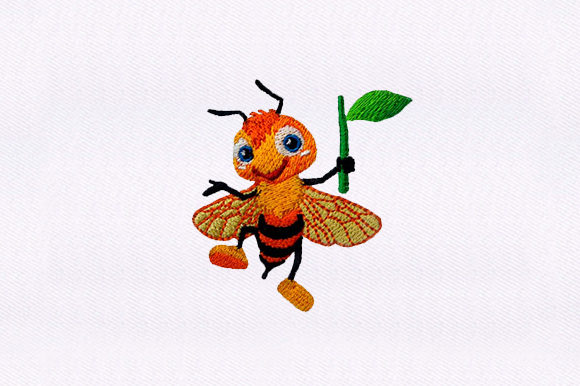
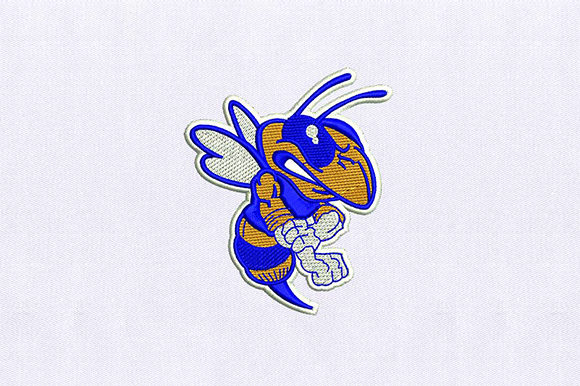
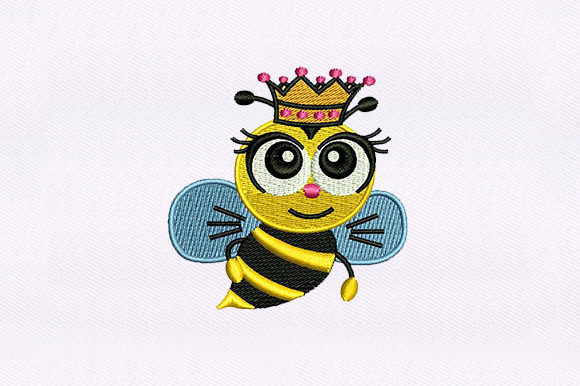
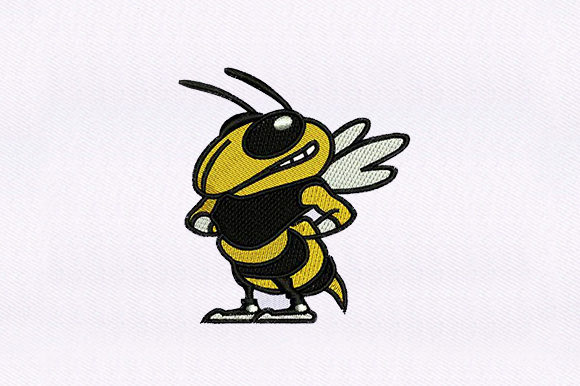
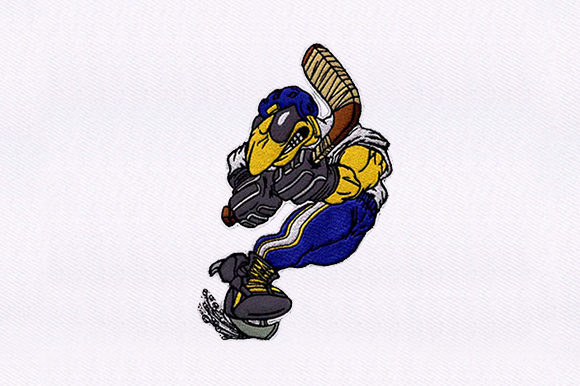
As an embroidery designer who’s developed collections for small clothing brands and Etsy sellers over the past decade, I approach every Creative Fabrica embroidery with a dual lens: aesthetic cohesion and production practicality. When I first previewed the Ice Hockey Bug Player, I paused—not because it was flashy, but because it struck that rare balance between whimsy and wearability. It’s not just another bug motif; it’s a character-driven machine embroidery design with sporty charm, clean linework, and subtle texture in the stitching. Visually, it reads as playful, slightly bold, and unexpectedly cohesive—ideal for brands building a lifestyle identity around comfort, creativity, and quiet confidence.
How Ice Hockey Bug Player Performs Across Apparel Types
The Ice Hockey Bug Player shines brightest on relaxed, tactile fabrics where personality meets function. On neutral sweatshirts—think heather grey or oatmeal fleece—it anchors the chest placement with cheerful contrast without overwhelming the garment’s cozy vibe. On pastel hoodies (blush, mint, sky blue), the design lifts the mood while maintaining boutique refinement. Its scale works well for both standard and oversized fits: centered on the chest of a relaxed-fit hoodie, it reads clearly from a distance; scaled down slightly, it becomes a charming sleeve accent on denim jackets or t-shirts.
For back designs on crewnecks or lightweight totes, Ice Hockey Bug Player holds visual weight without demanding excessive stitch density—critical when working with commercial embroidery machines and tight turnaround timelines. On dark apparel like charcoal or navy sweatshirts, I recommend pairing it with high-contrast thread colors (bright lime, cobalt, or crisp white) to preserve legibility and pop. Its decorative strength lies in its intentional simplicity: no tiny lettering, no fragile antennae loops, no over-stitched fill areas that risk puckering on stretchy fabric.
Thoughtful Placement & Fabric Considerations
Because Ice Hockey Bug Player includes defined outlines and moderate interior detail, it responds well to stable hoop placement—but caution is warranted on highly textured or ribbed fabric. On fleece-backed sweatshirts, I always test stitch density first: too much fill can cause distortion in the pile, while too little risks a washed-out look. For ribbed cuffs or curved hems, I avoid placing the design directly across seams unless stabilized with cutaway + tear-away combo backing. And while it performs reliably on cotton blends and mid-weight knits, I’d skip using it on ultra-stretchy performance fabrics without extensive stabilizer testing.
Sleeve placement works beautifully at the upper bicep—especially on unisex or oversized styles—where the curve naturally follows the bug’s silhouette. For tote bags and seasonal lounge sets (think matching hoodie-and-short sets), the design adds consistent brand recognition without feeling repetitive. Its visual rhythm supports lifestyle product photos and printable mockups: it photographs cleanly under natural light and translates well into social media graphics for Etsy listings or Instagram carousels.
Why This Design Elevates Small Shop Credibility
When customers browse handmade product listings, they’re subconsciously scanning for cues about care, consistency, and intention. The Ice Hockey Bug Player signals all three. Its clean digitization suggests professional digitizing—not rushed auto-trace work—and that perception directly impacts buyer trust. For Etsy sellers and boutique brands, that translates into higher perceived value per finished product. A single well-executed chest embroidery can justify a $15–$25 premium over blank apparel, especially when paired with thoughtful thread color choices and precise placement.
More importantly, it supports visual consistency across collections. Imagine launching a “Winter Bugs” capsule: Ice Hockey Bug Player could anchor your hoodie line, while coordinating embroidery files (perhaps snowflake-accented bugs or frost-tipped antennae) extend the theme across t-shirts and totes. That kind of cohesion builds product recognition faster than standalone designs—and helps your small shop stand out in crowded digital marketplaces.
Practical Designer Notes Before You Stitch
- Always test on scrap fabric that matches your final garment’s weight, stretch, and texture—especially before committing to a full run of sweatshirt embroidery.
- Confirm stabilizer choice: medium-weight cutaway works best for dense areas; lightweight tear-away may suffice for lighter knits if stitch density is moderate.
- Review thread color contrast against your base fabric—what reads clearly on screen may disappear on dark or mottled apparel.
- Check hoop size requirements listed in the Creative Fabrica product details. If unstated, assume standard 4x4 or 5x7 and verify compatibility with your machine before purchase.
- Inspect stitch density visually in the design preview—look for smooth transitions between satin and fill stitches, no overlapping jump stitches, and balanced thread coverage.
- Test on similar garment fabric before embroidering your first finished product. Fleece behaves differently than French terry, which behaves differently than cotton jersey.
- Compare placement options—center chest, left chest, sleeve, or back—to see how scale and proportion shift across real garments.
- Review Creative Fabrica licensing terms carefully before producing commercial embroidery products. Confirm whether the license permits resale of finished apparel and any attribution requirements.
Final Thoughts for the Intentional Embroiderer
The Ice Hockey Bug Player isn’t just a novelty—it’s a versatile, production-ready embroidery file that bridges craft and commerce. It fits naturally within the Bugs category but stands apart through its sporty narrative and refined execution. For embroidery shops stitching custom apparel, Etsy sellers curating seasonal drops, or small clothing brands building signature motifs, it offers a low-risk, high-charm opportunity to differentiate. Used thoughtfully—with attention to fabric behavior, stabilizer strategy, and visual context—it reinforces professionalism, invites engagement, and quietly strengthens brand identity, one stitch at a time.