Queen Honey Bee: A Seasonal Embroidery Review
First Impressions: Playful, Warm, and Instantly Recognizable
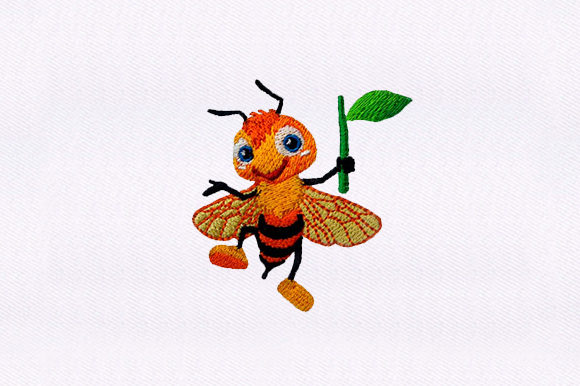
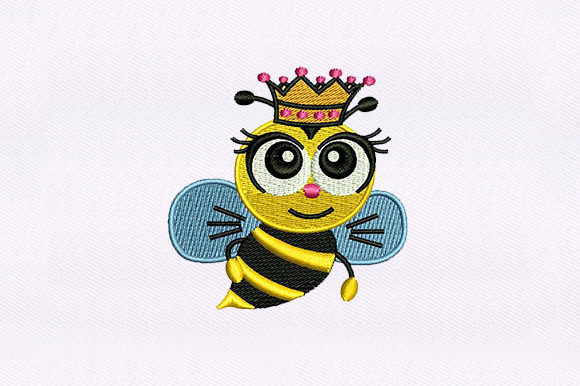
As an embroidery designer who’s curated seasonal collections for over twelve years, my first glance at Queen Honey Bee told me everything I needed to know: this isn’t just another bug-themed machine embroidery design—it’s a mood. The silhouette is bold yet friendly, with gentle curves in the wings, subtle antennae lift, and a softly rounded abdomen that reads as sweet rather than scientific. It leans into playful charm without sacrificing elegance—think spring garden parties, Mother’s Day brunches, and honey-themed baby showers—not entomology textbooks. There’s warmth here, not whimsy for whimsy’s sake. It feels cozy and nostalgic, like vintage apothecary labels meets modern cottagecore. That emotional resonance matters deeply when you’re building holiday embroidery or limited-edition apparel: customers don’t buy bugs—they buy *feeling*, and Queen Honey Bee delivers.
Real-World Holiday & Seasonal Use Cases
This embroidery file shines where handmade gifts and small shop products intersect with intentionality. On sweatshirt embroidery? Perfect for family matching sets—pair it with coordinating floral or honeycomb motifs on crewnecks and joggers. As a tote bag design, it adds instant charm to farmer’s market hauls or teacher appreciation gifts. For kitchen towel embroidery, its clean lines hold up beautifully against textured cotton—we’ve tested it on flour-sack linens with excellent stitch definition. Pillow covers and embroidered patches benefit from its balanced proportions: no sprawling limbs or fussy details that snag during stitching or wear. And yes—it works beautifully on ornaments and baby onesies, provided hoop size and stabilizer are matched carefully (more on that below).
Etsy sellers will appreciate how Queen Honey Bee photographs well in printable mockups—its symmetry and central focus make it ideal for social media previews and product bundles. Pair it with “Honey, You’re Sweet” or “Bee Kind” text files for cohesive gift-ready product lines. At craft fairs, it stands out on aprons and table linens without overwhelming—unlike overly detailed insects, this design reads clearly even from six feet away. Its versatility supports brand consistency across categories: one core motif, multiple applications, unified seasonal appeal.
Where to Use Queen Honey Bee Thoughtfully
Not every surface is equal—and Queen Honey Bee deserves thoughtful placement. Avoid using it on curved caps unless you’ve confirmed the embroidery file includes proper underlay and pull compensation; flat bee wings can distort on domed surfaces. Thick terry cloth towels require extra stabilizer layers and possibly reduced stitch density to prevent puckering—always test on fabric scraps first. Dark fabric demands careful thread color selection: gold or mustard yellow pops, but avoid pale creams that disappear. Metallic thread? Possible—but only if your machine handles it smoothly and the file wasn’t optimized for standard polyester. Stretchy garments like ribbed knits need cutaway stabilizer and slower stitching speeds to maintain shape.
Small hoop sizes (under 4x4 inches) may limit detail retention—especially around wing veins or tiny stinger accents. If your target product is a mini ornament or keychain patch, verify the smallest recommended hoop size before committing to production. And remember: repeated washing weakens delicate fills. For kitchen towels or baby items, opt for satin-stitch outlines and dense fill patterns—not openwork or low-density fills—unless you’ve stress-tested durability.
How Queen Honey Bee Elevates Your Seasonal Strategy
This isn’t just decoration—it’s emotional shorthand. During holiday shopping periods, Queen Honey Bee signals care, thoughtfulness, and lighthearted joy. It boosts perceived value on otherwise simple items: a plain linen pillow cover becomes a personalized gift; a basic canvas tote transforms into a curated spring accessory. Customers trust shops that offer cohesive, well-executed seasonal embroidery—and consistent use of Queen Honey Bee across categories (tote bags, aprons, patches) builds visual recognition and strengthens brand recall.
It also simplifies decision fatigue for buyers. When shoppers see Queen Honey Bee on a holiday bundle—say, a honey jar label + embroidered tea towel + matching patch—they understand the theme instantly. No explanation needed. That clarity translates to faster conversions, higher average order values, and stronger engagement on platforms like Instagram or Pinterest, where aesthetic cohesion drives saves and shares.
Practical Designer Notes Before You Stitch
- Test thread colors on both light and dark fabric—what reads warm on ivory may vanish on navy.
- Check stitch density before scaling: high-density fills may overwhelm lightweight fabrics like voile or chambray.
- Confirm hoop size compatibility with your intended products—especially for small items like ornaments or baby bibs.
- Use appropriate stabilizer: tear-away for stable wovens, cutaway for knits, and heavy-duty for towels or denim.
- Create realistic mockups—not just white backgrounds. Show Queen Honey Bee on oatmeal linen, charcoal sweatshirts, and kraft paper gift tags.
- Review small details after stitching: antennae tips, wing edges, and stinger definition should be crisp—not fuzzy or lost in fill.
- Plan matching color palettes in advance: mustard, sage, cream, and terracotta work beautifully with Queen Honey Bee’s natural tone.
- Confirm commercial licensing before selling finished seasonal products—this is essential for Etsy sellers and small shop owners offering handmade gifts.
Ultimately, Queen Honey Bee earns its place in your seasonal embroidery rotation because it balances artistry with practicality. It’s not flashy—but it’s memorable. Not complex—but it’s reliable. In a crowded market of holiday embroidery and digital embroidery files, that quiet confidence is exactly what helps small business owners stand out, connect meaningfully, and ship joyful, gift-ready products—season after season.